
Florida Solar Incentives in 2026: Tax Credits, Rebates, and How to Claim Them
Going solar in Florida has never been more financially attractive — but only if you know which incentives you actually qualify for. Between federal tax credits, state-level exemptions, and utility programs, the savings stack up fast. The catch? Some of these programs are changing, and homeowners who wait may leave thousands of dollars on the table.
At Direct Solar Point, we walk every customer through the full incentive picture before they sign anything. Here’s what’s available to Florida homeowners in 2026.
The Federal Solar Tax Credit
The federal Residential Clean Energy Credit remains the single biggest solar incentive available. It allows you to deduct a substantial percentage of your total solar installation cost — equipment, labor, permitting, and even battery storage — directly from your federal income taxes.
Key points to understand:
- It’s a credit, not a deduction — It reduces your tax bill dollar-for-dollar
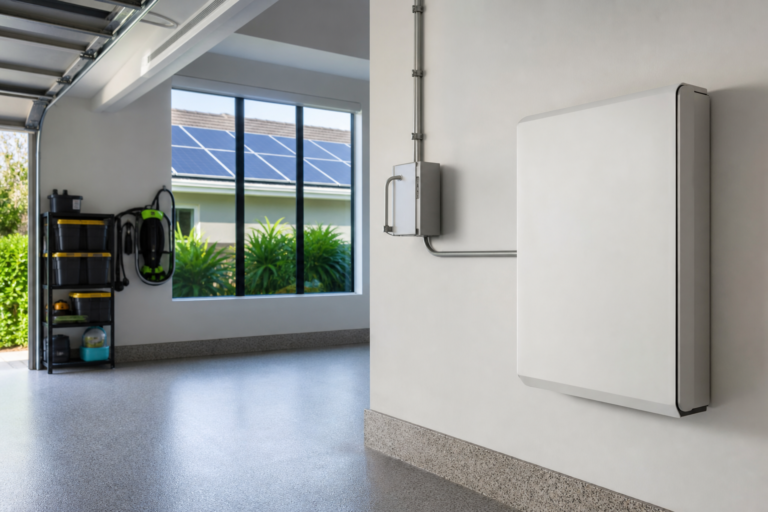
- Batteries count — Storage systems qualify, whether installed with panels or added later
- It can roll over — If your credit exceeds what you owe, the remainder can carry forward
- You must own the system — Purchased or financed systems qualify; leased systems generally don’t
Tax rules evolve, so confirm current percentages and eligibility with your tax professional before filing.
Florida’s Sales Tax Exemption
Florida exempts residential solar energy systems from the state’s 6% sales tax. On a typical residential installation, that’s a savings of $1,000–$2,000 right off the top — automatically applied, no paperwork required from you.
Florida’s Property Tax Exclusion
Here’s one many homeowners don’t know: solar installations increase your home’s value, but Florida law excludes 100% of that added value from your property tax assessment for residential systems. Your home is worth more — your property tax bill doesn’t budge. Few home improvements can make that claim.
Net Metering: Earning Credit for Your Excess Power
Florida’s investor-owned utilities credit solar homeowners for the excess electricity they send back to the grid. It’s one of the most valuable ongoing benefits of going solar — and understanding how it works is essential to estimating your true savings. We’ve covered this in depth in our guide to how net metering works in Florida.
Important: net metering policies are periodically debated in Tallahassee. Systems installed under current rules are typically grandfathered — one more reason acting sooner beats waiting.
Utility and Local Programs
- Utility rebates — Some Florida utilities periodically offer rebates for solar water heaters, batteries, or efficiency upgrades that pair well with solar
- PACE financing — Property Assessed Clean Energy programs in many Florida counties let you finance solar through your property tax bill
- Solar co-ops — Neighborhood buying groups can negotiate group discounts in some areas
Availability varies by county and utility, and programs open and close throughout the year — we check what’s active in your area as part of every quote.
What This Means in Real Numbers
Stack the incentives together and the math changes dramatically: the federal credit typically cuts your net cost by a quarter or more, the sales tax exemption saves four figures upfront, the property tax exclusion protects you for decades, and net metering reduces your bill every single month. For a full breakdown of system pricing before incentives, see our guide to how much solar panels cost in Florida in 2026.
Get Your Personalized Incentive Breakdown
Every home — and every tax situation — is different. Before you decide anything, get a clear, written estimate of what solar would actually cost you after every incentive you qualify for.
👉 Contact Direct Solar Point for a free, no-pressure solar assessment. We’ll map out every credit, exemption, and program available for your home in plain English.
Direct Solar Point helps Florida homeowners go solar with honest guidance, quality installations, and no high-pressure sales tactics.