Can Solar Panels Withstand Florida Hurricanes?
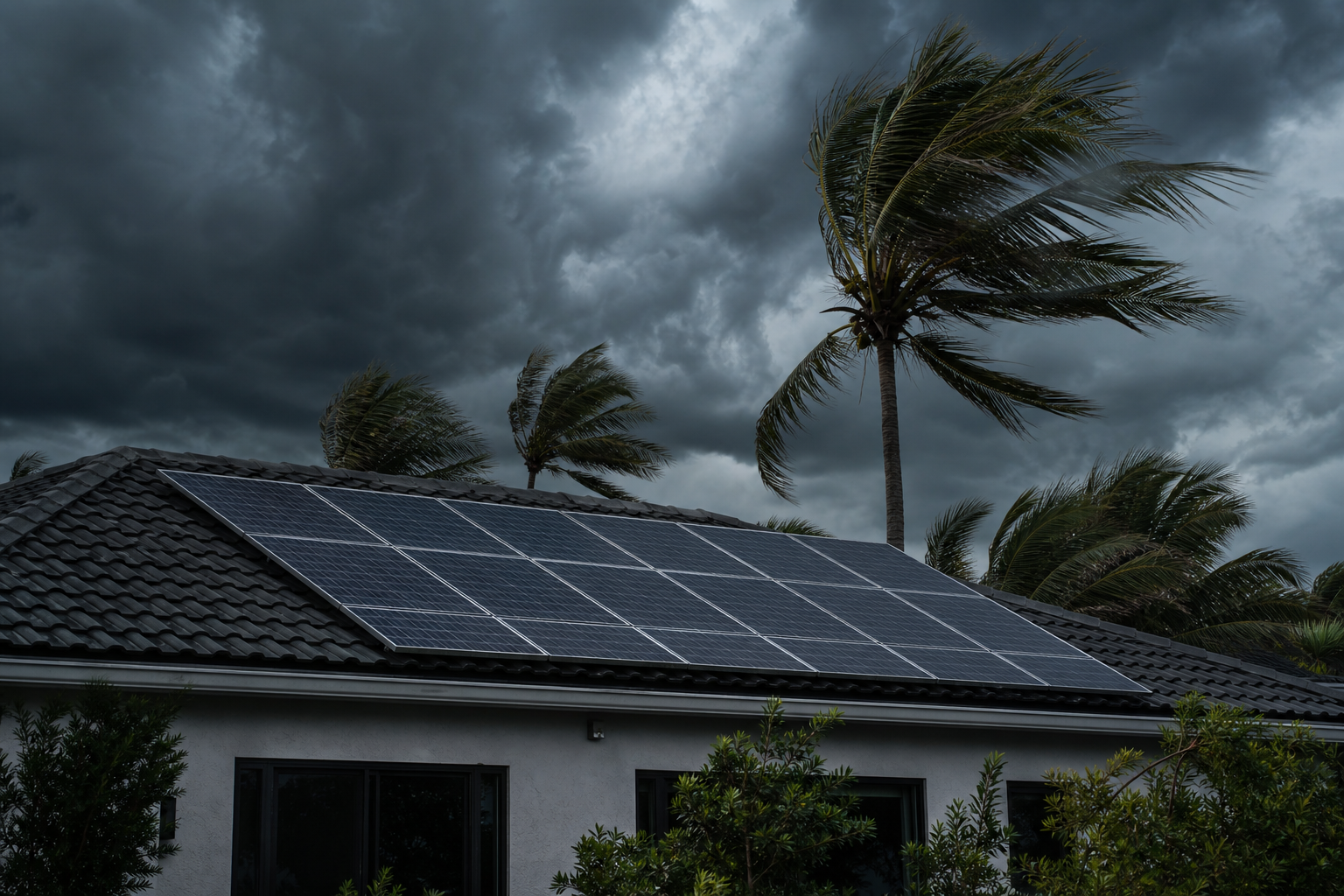
It’s one of the most common questions Florida homeowners ask before going solar: “What happens to my panels during a hurricane?” It’s a fair concern — Florida is the most hurricane-prone state in the nation, and the last thing you want is expensive solar equipment flying off your roof during a storm.
The good news is that modern solar panels are engineered specifically for high-wind environments. When properly installed by a qualified contractor, solar panels are one of the most wind-resistant components on your roof. Here’s why.
Solar Panels Are Built for Extreme Weather
Solar panels sold in the U.S. must meet rigorous testing standards before they can be installed:
- UL 61730 certification — the industry standard for safety and performance, including mechanical load testing
- IEC 61215 testing — includes thermal cycling, humidity freeze, and mechanical stress tests
- Wind load testing — panels are tested to withstand wind speeds of 140 mph or higher
- Impact testing — rated panels can withstand hailstones up to 1 inch in diameter at 50+ mph
Premium panels used in Florida installations are typically rated for wind loads equivalent to Category 4 hurricane conditions — and many exceed that.
The Mounting System Matters Most
The panels themselves are incredibly strong — tempered glass bonded to aluminum frames. In most wind events, panels don’t fail. The critical factor is how they’re attached to your roof.
A proper solar installation in Florida includes:
Engineered mounting systems — Racking systems are designed and certified for specific wind zones. Florida installations use mounting hardware rated for the wind speeds required by local building codes (up to 185 mph in the highest wind zones).
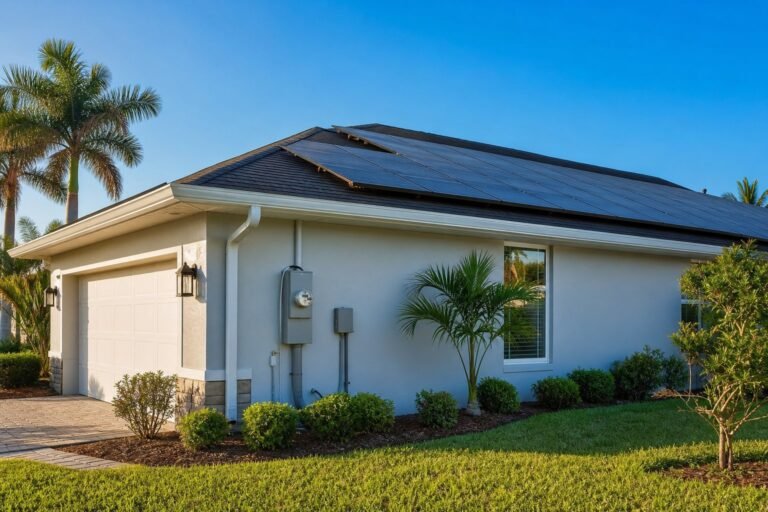
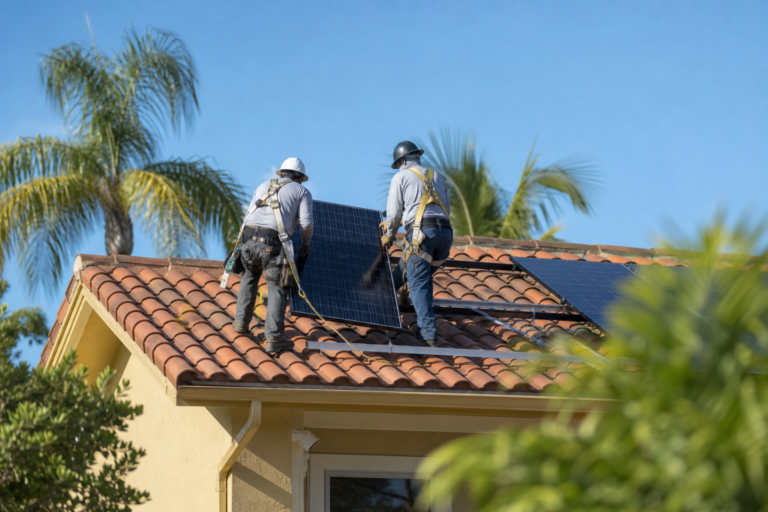
Roof attachment points — Each mounting foot is bolted through the roof decking into the rafters or trusses with lag bolts, then sealed with flashing to prevent leaks. This creates a connection that’s as strong as the roof structure itself.
Panel clamps — Panels are secured to the racking with mid-clamps and end-clamps that grip the panel frames at specific torque ratings. This prevents panels from lifting out of the array under wind pressure.
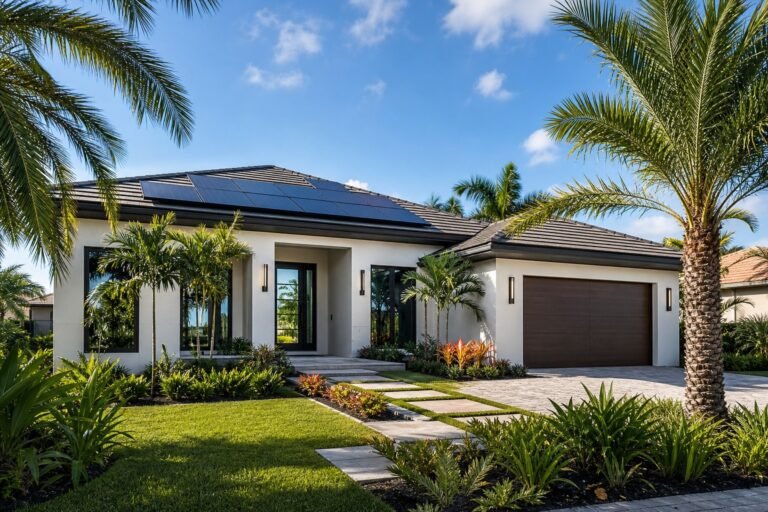
Wind deflection design — Panels installed close to the roof surface (typically 3–6 inches of gap) minimize wind uplift. The gap allows air to pass underneath without creating a “sail” effect.
Florida Building Code Requirements
Florida has the strictest solar installation codes in the country:
- Solar installations must be engineered and permitted — stamped drawings by a licensed engineer are required in most jurisdictions
- Installations must meet the wind speed requirements for your specific location and wind zone
- In Miami-Dade and Broward counties (the High Velocity Hurricane Zone), solar components must pass additional Miami-Dade Notice of Acceptance (NOA) testing
- All installations are inspected by local building officials before being approved
These requirements exist because Florida takes hurricane resistance seriously — and a properly permitted solar installation meets the same wind standards as your roof itself.
What Real Hurricanes Have Shown
The best evidence comes from actual hurricanes. After major storms, studies consistently show that properly installed solar panels perform remarkably well:
Hurricane Irma (2017) — Category 4, 130 mph winds: The Florida Solar Energy Center studied hundreds of solar installations after Irma and found that the vast majority survived with zero damage. Most failures were on older installations with outdated mounting methods or on roofs where the roof itself failed.
Hurricane Ian (2022) — Category 4, 150 mph winds: Solar installations in the direct path of Ian showed high survival rates when properly installed. In cases where panels were damaged, it was typically because the underlying roof structure failed — not the solar mounting.
The pattern is clear: when the roof survives, the solar panels survive.
What to Do Before, During, and After a Hurricane
Before the storm:
- Ensure your system was installed with proper permits and engineering
- Verify your homeowner’s insurance covers your solar system (most policies do)
- Trim overhanging tree branches that could break and impact your panels
- Your panels do not need to be removed or covered before a hurricane
During the storm:
- Your solar system will likely shut down automatically during extreme conditions — most inverters have safety disconnects
- Stay inside and stay safe — do not go on your roof during or immediately after a storm
After the storm:
- Visually inspect your roof and panels from the ground — look for displaced panels, cracked glass, or debris impacts
- Check your monitoring app — is the system producing normally?
- If you see damage or suspect problems, contact your installer for a professional inspection
- Do not touch any damaged panels or exposed wiring — solar panels generate electricity whenever light hits them, even after a storm
Insurance and Solar Panels
Most Florida homeowner’s insurance policies cover solar panels as part of your dwelling coverage. However, it’s worth confirming:
- Your panels are listed on your policy with their replacement value
- Your coverage limits are high enough to include the solar system
- Wind and hurricane damage to solar panels is explicitly covered
Some insurers even offer discounts for solar installations because they can reduce overall roof damage — panels protect the roof surface underneath them from wind, hail, and UV exposure.
The Bottom Line
Solar panels are not a liability during hurricane season — they’re an asset. Properly installed, permitted, and inspected solar systems are engineered to handle Florida’s worst weather. The key is choosing an experienced, licensed installer who follows Florida building codes and uses quality mounting hardware.
👉 Contact Direct Solar Point today to learn more about our hurricane-rated solar installations. We engineer every system for Florida’s wind requirements and stand behind our work.
Direct Solar Point provides honest, affordable solar solutions for Florida homeowners and small businesses. No high-pressure sales. No hidden fees. Just smarter energy.