Solar Panel Maintenance: What Florida Homeowners Need to Know
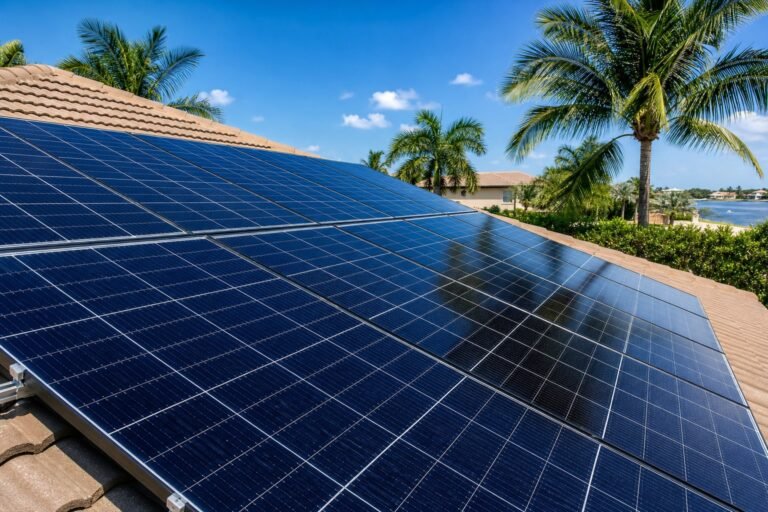
One of the best things about solar panels is how little maintenance they need. Unlike a car, an HVAC system, or even a roof, solar panels have no moving parts — they just sit on your roof and quietly generate electricity from sunlight.
But “low maintenance” doesn’t mean “no maintenance.” In Florida’s unique climate, there are a few things every solar homeowner should know to keep their system performing at peak efficiency.
The Good News: Solar Panels Are Very Low Maintenance
Modern solar panels are designed to withstand the elements for 25–30 years with minimal attention. They’re sealed, weatherproof, and rated for high winds and impact resistance. Most residential solar systems will run reliably for decades with only occasional care.
That said, a little attention goes a long way in maximizing your system’s output — and your energy savings.
Cleaning Your Panels
Dirty panels produce less electricity. In Florida, panels can accumulate:
- Pollen — especially heavy during spring
- Dust and sand — blown in from construction, agriculture, or dry spells
- Bird droppings — a single deposit can shade an entire cell
- Tree debris — leaves, sap, and seed pods from overhanging branches
- Salt residue — for coastal homes, salt spray leaves a film that reduces light transmission
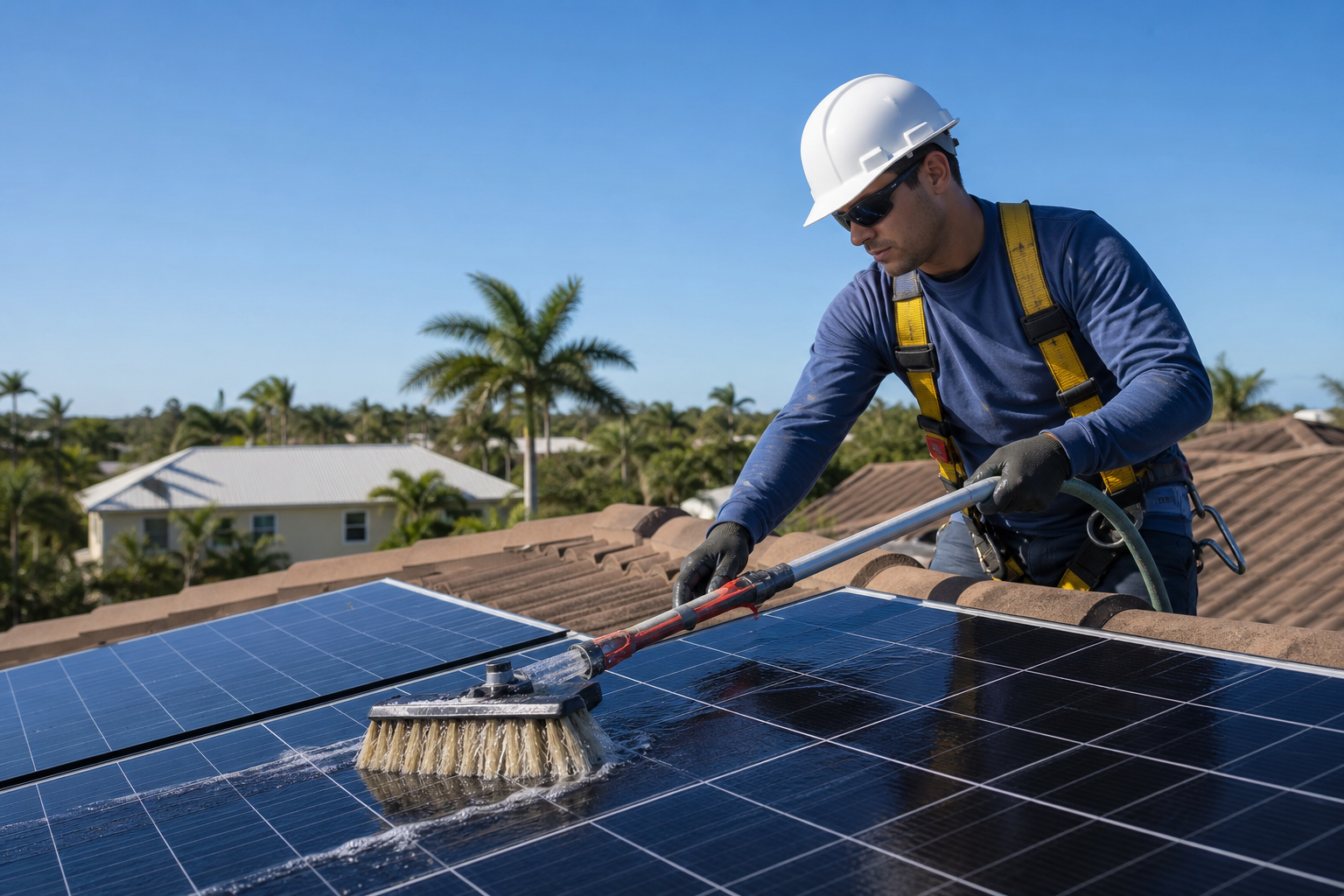
How often to clean: Most Florida homeowners benefit from cleaning their panels 2–4 times per year. Florida’s frequent rain helps — but rain alone doesn’t remove baked-on pollen, bird droppings, or salt buildup.
How to clean:
- Use a garden hose with a gentle spray — never a pressure washer
- Clean early morning or late evening when panels are cool (cold water on hot glass can cause micro-cracks)
- For stubborn buildup, use a soft brush or sponge with mild soap and water
- Never use abrasive cleaners, solvents, or rough brushes that could scratch the glass
- If your panels are hard to reach or you’re not comfortable on a roof, hire a professional solar cleaning service
Clean panels can produce 5–20% more electricity than dirty ones — which directly affects your savings.
Monitoring Your System’s Performance
Every modern solar installation includes a monitoring system — either an app, a web portal, or both. This is your best tool for catching problems early:
- Check daily or weekly — Compare your system’s output to expected production levels
- Look for sudden drops — A significant production decrease could indicate a panel issue, an inverter problem, or new shading from tree growth
- Compare month-to-month — Seasonal variation is normal (summer produces more, winter less), but performance should be consistent year over year
- Set up alerts — Most monitoring apps let you enable notifications for production anomalies or system errors
If you notice a problem, contact your installer. Most issues can be diagnosed remotely through the monitoring system.
Annual Professional Inspection
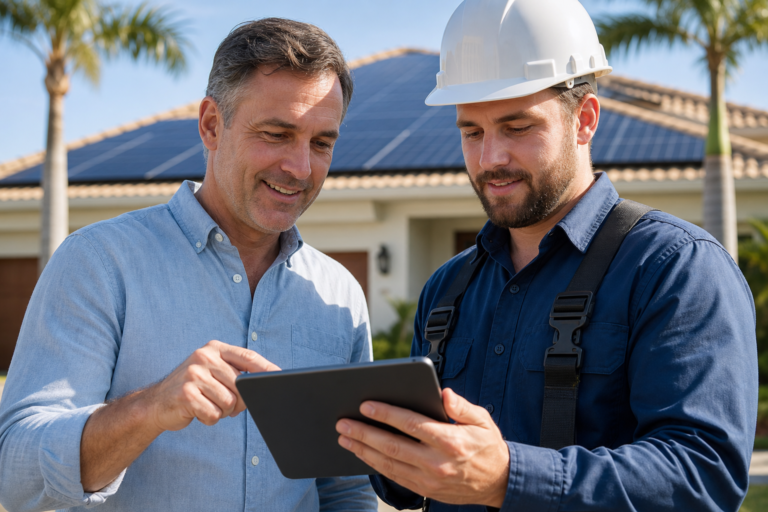
We recommend a professional inspection once per year — similar to an annual HVAC checkup. A qualified solar technician will:
- Inspect all electrical connections and wiring for wear, corrosion, or animal damage
- Check the inverter for error codes or performance issues
- Examine mounting hardware, flashing, and roof penetrations for leaks or loosening
- Verify that all panels are producing as expected
- Inspect conduit and junction boxes for moisture intrusion
- Check the system’s grounding
Many solar companies, including Direct Solar Point, offer annual maintenance packages that include inspection and cleaning.
Inverter Maintenance
Your inverter is the hardest-working component of your solar system — it converts DC power from the panels into AC power for your home. Inverter maintenance is minimal but important:
String inverters (wall-mounted box, usually near your electrical panel):
- Check the indicator lights periodically — green means normal operation, red or flashing indicates an error
- Keep the area around the inverter clear for ventilation — it generates heat and needs airflow
- Expected lifespan: 10–15 years, meaning you’ll likely replace it once during your system’s life
Microinverters (small units mounted behind each panel):
- These are monitored through your system’s app — individual panel monitoring makes it easy to spot a failing unit
- Expected lifespan: 20–25 years — they often last the life of the system
- No user-serviceable parts — if one fails, your installer replaces it under warranty
Tree Management
Trees grow. A tree that didn’t shade your panels when they were installed may grow to cover them a few years later. Keep an eye on:
- Branches growing toward or over your panels
- New shade patterns appearing on your roof as trees mature
- Overhanging branches that drop leaves, sap, or debris onto your panels
Trimming nearby trees regularly protects both your solar production and your roof.
What Your Warranty Covers
Most solar installations come with multiple warranties:
- Panel warranty: 25–30 years, guaranteeing at least 80–85% of original production
- Inverter warranty: 12–25 years depending on type
- Workmanship warranty: 10–25 years from your installer, covering installation-related issues (roof leaks, wiring, mounting)
Keep your warranty documentation accessible and contact your installer before attempting any repairs yourself — DIY work can void your warranty.
Schedule Your Solar Maintenance Checkup
Whether your system is brand new or a few years old, regular maintenance ensures you’re getting every watt of production — and every dollar of savings — your system can deliver.
👉 Contact Direct Solar Point to schedule a maintenance inspection or cleaning for your solar system. We service systems we installed and systems installed by others.
Direct Solar Point provides honest, affordable solar solutions for Florida homeowners and small businesses. No high-pressure sales. No hidden fees. Just smarter energy.